Dynamed - get this point-of-care support tool for information on the go

Dynamed is an evidence-based reference tool, providing access to recommendations and guidance on a wide range of conditions and diseases. Get the app for info on the go.

Dynamed is available to our UHNM users via OpenAthens.

Installation Instructions:


1. Go to the desktop version and log in with your OpenAthens username 

2. Create your personal ebsco account

3. Go to your app store and search for Dynamed

4. Download the app from Ebsco
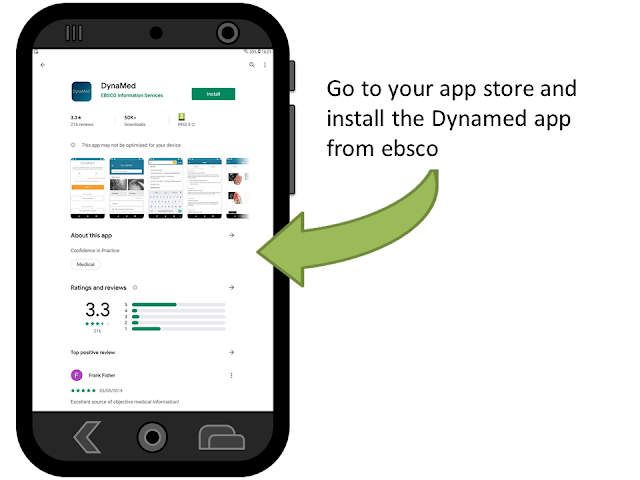
Dynamed on the app store

5. Install and open it.

6. On the authentication screen, select the option "sign in" at the top
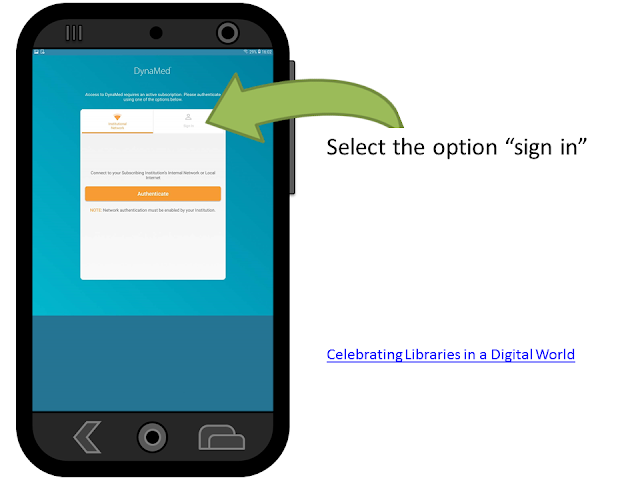
Dynamed app sign on screen

7. Sign in with your ebsco personal account details

8. Choose the installation you want
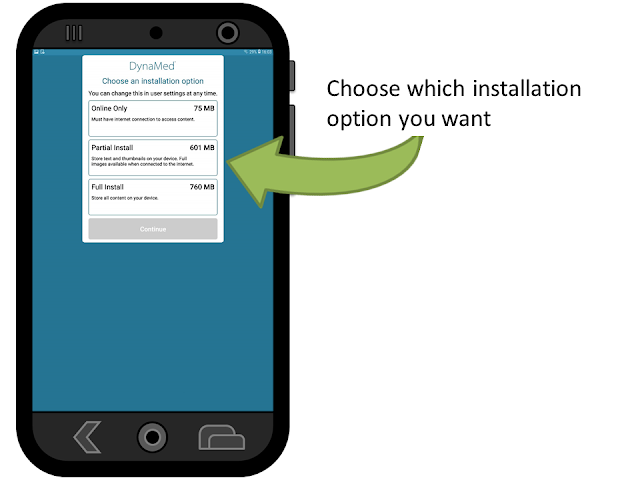
Installation options

The option you choose will depend on how much space you are happy for the app to take up on your phone and whether you are happy to still rely on an Internet connection.

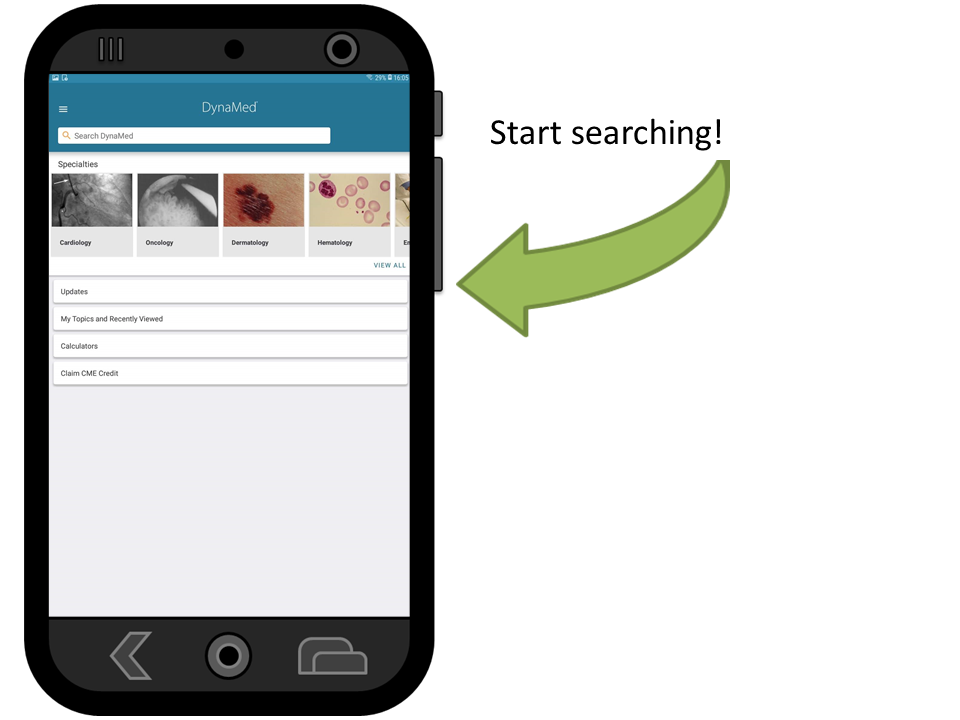
9. Start searching!
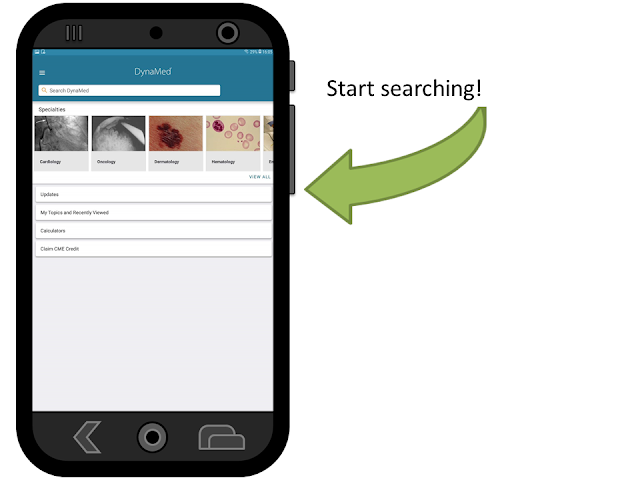
Main search page on the Dynamed app

Using Dynamed:

From your search results you can select a topic page which contains a wide array of details about the chosen condition or disease.
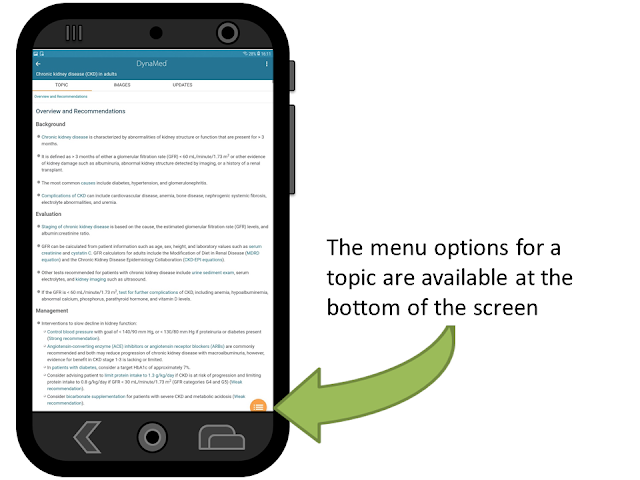
Topic page with the menu icon at the bottom

To see a full list of sections available, select the menu option icon at the bottom of the page. The section list is then presented - this may be different for different topics.
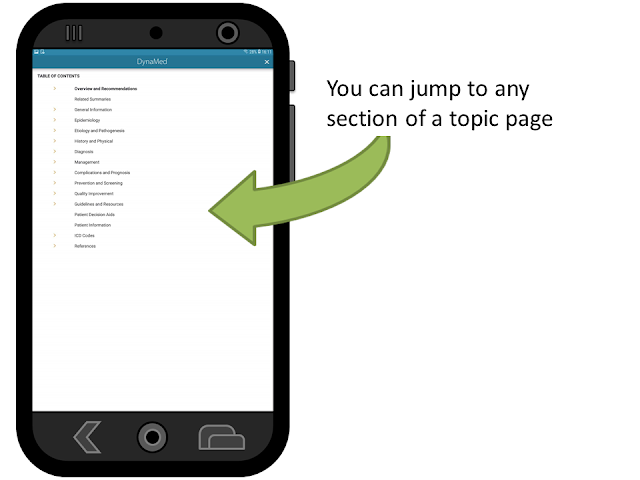
Example topic sections displayed when the topic menu is selected

You can see the latest changes to a topic by selecting the Update tab. You can also follow any topic so that you are automatically notified of the latest updates.
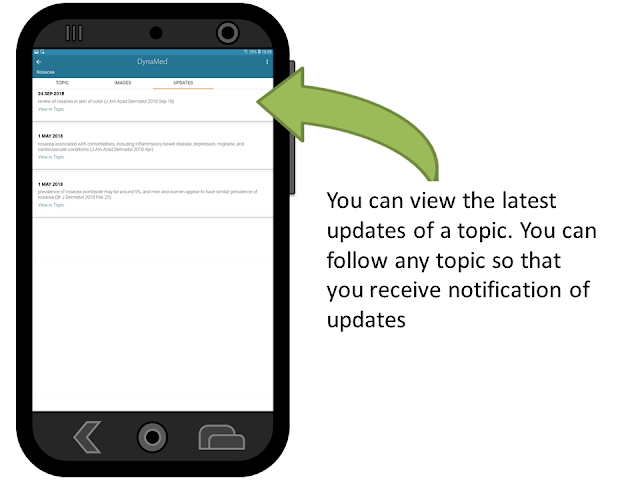
Example Updates page


Comments

Popular posts from this blog

Hot Topic! Sepsis

 Something that is always in the news - sepsis. What do you know about sepsis? Check these resources for an overview, key points, diagnosis, treatment options, follow-up and more. [You will need your NHS OpenAthens username to access these resources] Spotting the signs of sepsis from the Patient Safety Learning Hub A series of short videos to raise awareness of the signs of sepsis in different age groups. Produced by Patient Safety Learning, in collaboration with The UK Sepsis Trust, these provide a quick and simple resource for patients, carers and clinicians. BMJ Best Practice Sepsis in Children Sepsis in Adults Clinical Key (available to UHNM only) Sepsis Sepsis in Neonates Clinical Knowledge Summaries – Sepsis Cochrane Library systematic reviews – Corticosteroids for treating sepsis in children and adults Oxford Medicine Online Chapter 10 Sepsis and multiple organ dysfunction in Critical Care Nursing: science and practice Chapter 9 Postnatal care in Oxford Handbook of ...

Research and innovation for NHS managers

 Are you an NHS manager working for UHNM? Do you wonder how you can keep up with changes, research and innovation in healthcare management? Wonder no more. The British Journal of Healthcare Management is a monthly journal focusing on management and leadership in the healthcare sector. It publishes peer-reviewed research articles, literature reviews, service evaluations, quality improvement, practice reviews, reports and commentaries, as well as topical comment pieces and items on leadership. All to help you to make informed decisions and deliver better, affordable care for your patients. Want to know more? Here is a selection of recent articles: Leadership development in the NHS in England: do we really know what works? pp. 1–10 Lewis, Marie; Hughes, Dickon Weir; Baldie, Deborah Leadership development is widely considered to be a key driver of improvement in the NHS, yet the effectiveness of existing programmes remains uncertain. This article examines investments in leadershi...

Login to Library Search – step-by-step instructions for NHS staff

  Library Search is a discovery tool, allowing you to find items within the library collections. You can search Library Search without logging in to view books and ebooks available in our collections. By logging in to your library account on Library Search you can access a range of additional functionality, such as: Viewing details of your library account Submitting a request to hold a book for you Adding items to your e-bookshelf Saving searches Note that for NHS users logging in to Library Search does not give you access to full-text items. As an NHS member of staff you access online resources using your NHS OpenAthens username. Anatomy of a Library Card First let’s take a quick look at the most important components of your library card. Your library card and library card number give you access to print resources as well as library services. They confirm that you are a member of the library. Your name : this will be printed on your card, so you’ll know it’s yours!...